
Advanced Medical AESTHETIC TREATMENTS
Each treatment is delivered by qualified practitioners who take a considered, personalised approach to every appointment.

Our Advanced Medical AESTHETIC Treatments
At Fine Skin Clinic, our medical aesthetic treatments are approached with care, professionalism and respect for your individual features. We take the time to understand your goals and provide recommendations that are tailored to your needs and anatomy.
Our focus is on considered, balanced treatment planning, always delivered within the scope of evidence-based practice. Each step of the process includes consultation, assessment and open discussion about options, risks, benefits and alternatives.
Treatment options may be able to assist with:
The appearance of fine lines and dynamic movement
Changes in facial volume or balance
Facial contour and definition
Lip shape and proportion
Excessive sweating in targeted areas
Skin hydration, texture and general skin quality
Hair thinning and loss concerns
Following your consultation, treatment may or may not involve the use of prescription-only medicines. All treatments are subject to a suitability assessment and your practitioner will discuss all relevant information with you prior to proceeding.

Skin Treatments
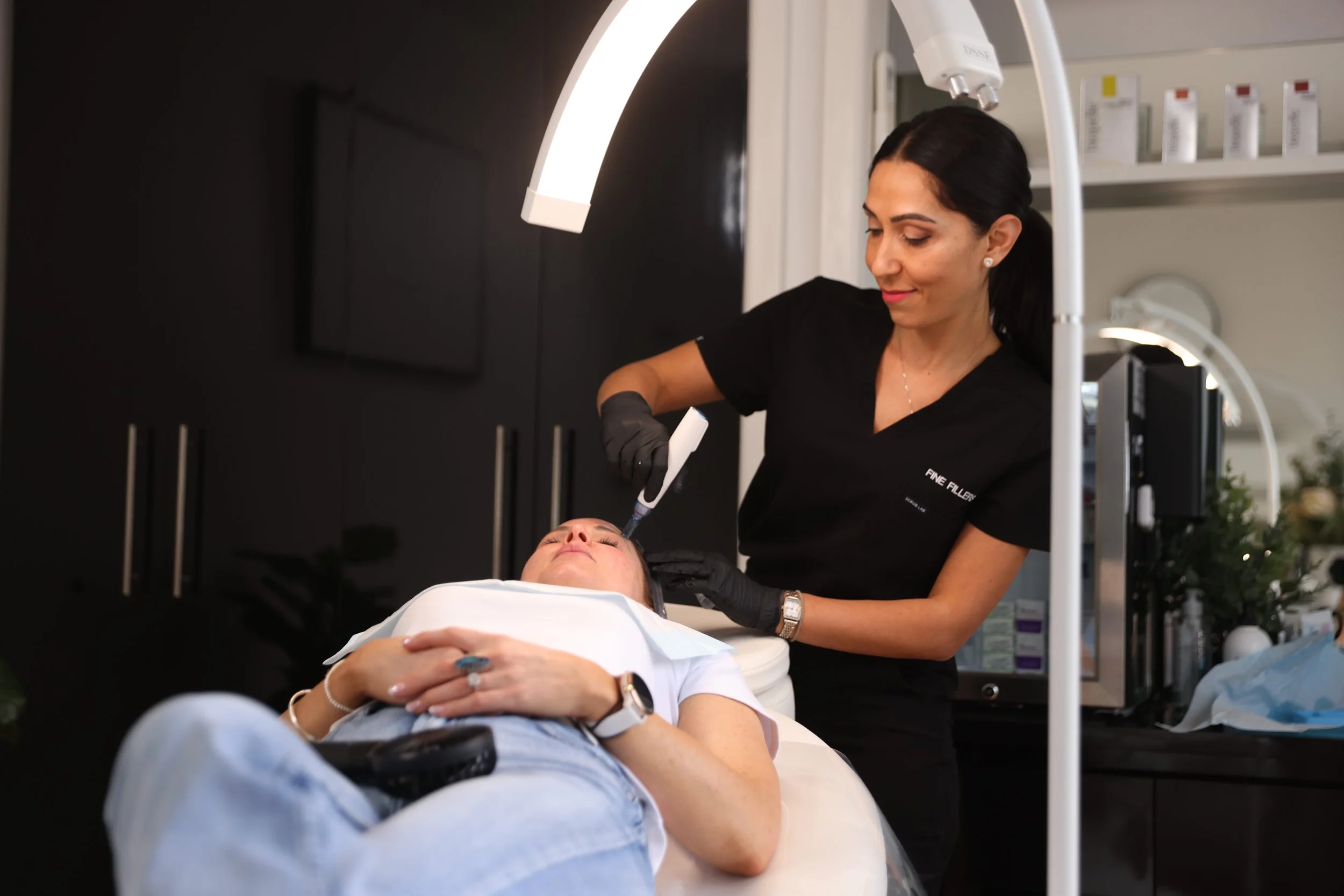
At Fine Skin Clinic, our skin treatments are tailored to your individual skin type, concerns and goals. All treatments begin with a thorough consultation and skin assessment to determine the most appropriate options for you.
Our Skin Treatments
Our skin treatments include a range of professional options such as skin needling, chemical peels, microdermabrasion, polynucleotide injectables and exosome therapy. Your practitioner will discuss which options are appropriate for your skin following assessment.
All treatments are subject to a suitability assessment and your practitioner will discuss all relevant information, including risks, benefits and alternatives, prior to proceeding.
-
Rejuran is a polynucleotide (PN) injectable treatment derived from salmon DNA. It is administered via fine injections into the skin and is used to address a range of skin quality concerns.
What it may assist with:
Skin texture and surface irregularities
Skin hydration and quality
Fine lines and skin laxity
General skin health
What to expect: Treatment involves a series of small injections across the treatment area. A topical anaesthetic is applied prior to the procedure to support comfort. Sessions typically take 30 to 60 minutes.
How many treatments are needed: A course of 3 sessions is generally recommended, spaced 4 weeks apart. Maintenance treatments may be discussed at follow-up. Individual treatment plans are determined at consultation.
Aftercare:
Avoid touching or applying pressure to the treated area for 24 hours
Avoid makeup for 24 hours following treatment
Avoid strenuous exercise, heat exposure and swimming for 48 hours
Use gentle skincare and broad spectrum SPF daily
Avoid direct sun exposure and tanning for at least 2 weeks following treatment
Your practitioner will provide personalised aftercare guidance at your appointment
Risks and considerations: As with any injectable treatment, risks include redness, swelling, bruising, tenderness and temporary discomfort at the injection sites. Less common risks include infection, allergic reaction and skin irregularities. All risks are discussed in full at your consultation.
Is it right for me? Suitability is assessed at consultation. Rejuran is not appropriate for everyone and your practitioner will discuss your medical history, skin concerns and goals before recommending any treatment.
-
Exosome therapy is an advanced treatment option that uses exosome-based preparations applied to or administered into the skin. It is often used in conjunction with other skin treatments and is discussed in full at consultation.
What it may assist with:
Skin quality and texture
Skin recovery following other procedures
General skin health concerns
What to expect: Treatment method and process varies depending on how exosomes are applied or administered. Your practitioner will explain the full procedure, including preparation, the treatment itself and what to expect in the days following.
How many treatments are needed: The number of sessions recommended varies depending on the individual and the concerns being addressed. This is discussed and agreed upon at consultation. Exosomes are also commonly used as an add-on to other treatments.
Aftercare:
Avoid touching the treated area for 24 hours
Avoid makeup, active skincare ingredients and swimming for 24 to 48 hours
Avoid strenuous exercise and heat exposure for 48 hours
Apply broad spectrum SPF daily and avoid direct sun exposure
Follow any specific aftercare instructions provided by your practitioner, as these may vary depending on the method of application
Risks and considerations: Risks depend on the method of application and may include redness, swelling, sensitivity and temporary skin reaction. As with any skin treatment, infection and unexpected skin response are possible. All risks are discussed in full prior to proceeding.
Is it right for me? Suitability is assessed on an individual basis. Your practitioner will conduct a full skin assessment and discuss whether exosome therapy is an appropriate option for your concerns and skin type.
-
Skin Needling
Skin needling, also known as collagen induction therapy, is a procedure that uses a device with fine needles to create controlled micro-channels across the surface of the skin.
What it may assist with:
Skin texture and surface irregularities
Acne scarring and post-inflammatory marks
General skin quality and hydration
Fine lines and skin laxity
What to expect: A topical anaesthetic is applied prior to treatment to support comfort. The procedure typically takes 30 to 60 minutes depending on the area being treated. Redness and sensitivity in the days following treatment is normal and expected.
How many treatments are needed: A course of 3 to 6 sessions is generally recommended, spaced 4 to 6 weeks apart. The number of sessions required depends on the concern being addressed and is discussed at consultation. Maintenance treatments may be recommended ongoing.
Aftercare:
Avoid touching, rubbing or applying pressure to the treated area for 24 hours
Avoid makeup and active skincare ingredients such as retinol, AHAs and BHAs for at least 48 hours
Avoid strenuous exercise, swimming, saunas and heat exposure for 48 hours
Use a gentle, fragrance-free moisturiser and broad spectrum SPF daily
Avoid direct sun exposure for a minimum of 2 weeks following treatment
Peeling and redness in the days following treatment is normal and should not be picked or forced
Your practitioner will provide a full aftercare plan at your appointment
Risks and considerations: Common side effects include redness, swelling, sensitivity, peeling and temporary skin irritation. Less common risks include infection, post-inflammatory pigmentation, prolonged redness and scarring. Those with certain skin conditions, active acne or a history of keloid scarring may not be suitable candidates. All risks and contraindications are discussed at consultation.
Is it right for me? Skin needling is not suitable for everyone. Your practitioner will conduct a thorough skin assessment and review your medical history before recommending this treatment.
-
Chemical Peels
Chemical peels are professional skin treatments that use exfoliating agents applied to the skin to address a range of surface and deeper skin concerns. Peel type and strength are selected based on your individual skin assessment.
What it may assist with:
Pigmentation and uneven skin tone
Acne, congestion and post-acne marks
Skin texture and surface irregularities
Skin dullness and general skin quality
Rosacea and skin sensitivity (select peel types only)
What to expect: Treatment involves the application of a chemical solution to the skin, which is left for a specified time before being neutralised or removed. Depending on the peel type, you may experience a mild tingling or warming sensation during the procedure. Some peeling, redness and sensitivity in the days following is normal and varies depending on the peel strength selected.
How many treatments are needed: This depends on the peel type and the concern being addressed. Lighter peels may be recommended as a course of 4 to 6 sessions spaced 2 to 4 weeks apart. Deeper peels may require fewer sessions with longer recovery periods in between. Your practitioner will recommend a plan suited to your skin at consultation.
Aftercare:
Do not pick, rub or force any peeling skin
Avoid makeup for 24 hours or as directed by your practitioner
Avoid active skincare ingredients including retinol, AHAs and BHAs until the skin has fully settled
Avoid strenuous exercise, swimming, saunas and heat exposure for 48 hours
Apply broad spectrum SPF daily and avoid direct sun exposure for a minimum of 2 weeks
Keep the skin well moisturised with a gentle, fragrance-free product during the recovery period
Your practitioner will provide specific aftercare instructions based on the peel used
Risks and considerations: Risks include redness, peeling, dryness, sensitivity to sun exposure and temporary changes in skin tone. Less common risks include post-inflammatory pigmentation, infection, prolonged irritation and scarring. Stronger peels carry greater risk and require a longer recovery period. Chemical peels are not appropriate for all skin types or tones and contraindications are assessed at consultation.
Is it right for me? Peel selection is entirely based on your skin type, concerns and assessment findings. Your practitioner will discuss the most appropriate option for you, including alternatives, and will not proceed without your informed consent.
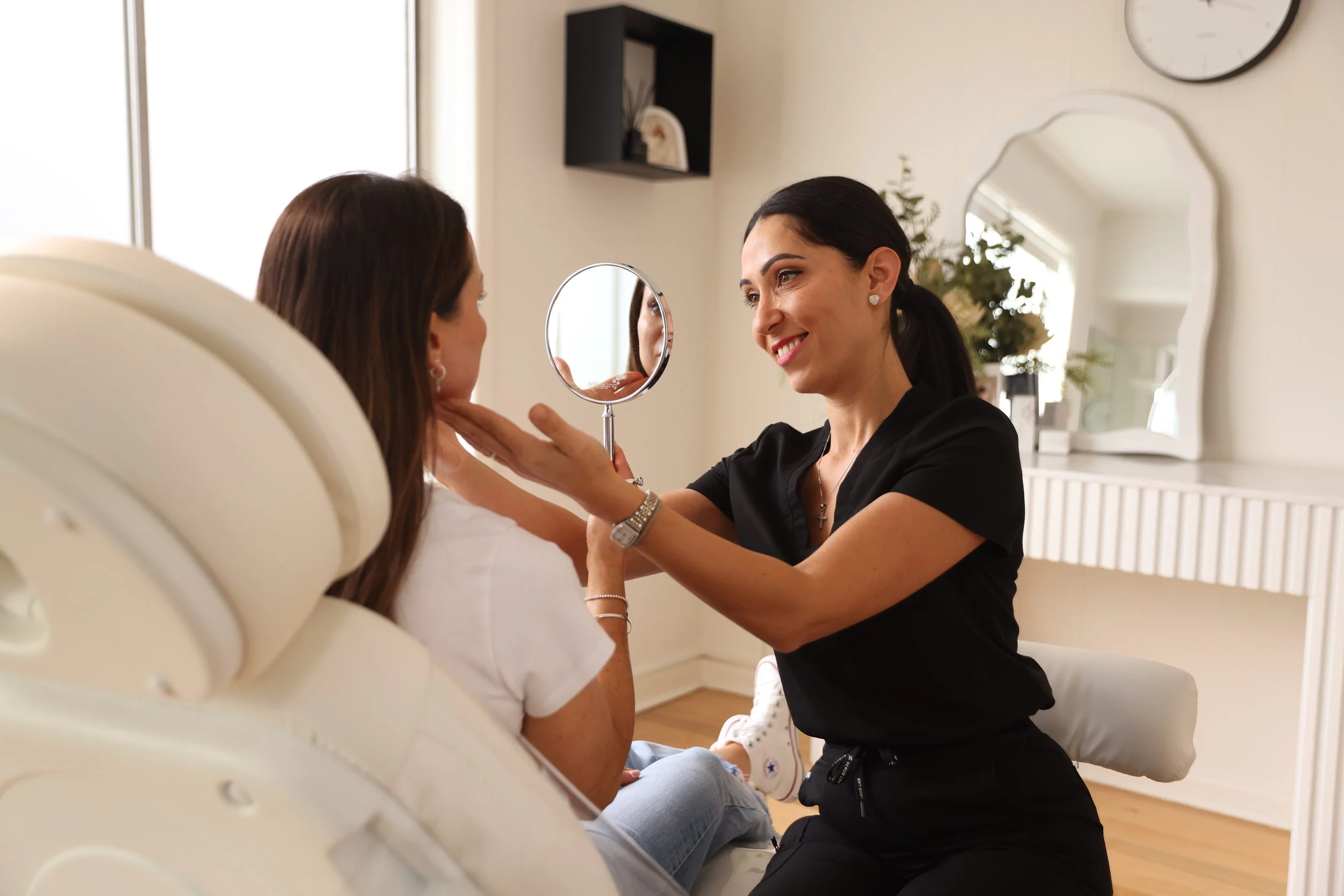
At Fine Skin Clinic, our regenerative treatments use advanced techniques to support the skin's natural processes. As with all treatments at our clinic, everything begins with a thorough consultation and assessment to determine suitability and discuss the options available to you.
Regenerative Treatments
OUR Regenerative Treatments
Our regenerative treatment options include PDO thread treatments and exosome therapy for both skin and hair concerns. Your practitioner will discuss which options are appropriate for you following a full assessment.
All treatments are subject to a suitability assessment and your practitioner will discuss all relevant information, including risks, benefits and alternatives, prior to proceeding.
-
PDO (Polydioxanone) thread treatments are a non-surgical procedure that uses fine dissolvable sutures placed beneath the skin using a needle or cannula. The threads are made from a material that has been used in medical suturing for many years.
What it may assist with:
Skin laxity in the face and neck area
Changes to cheek, brow and jawline structure
General skin quality in the treated area
Those exploring non-surgical options for facial concerns
What to expect: A topical anaesthetic is applied prior to treatment to support comfort. The procedure involves the placement of fine threads beneath the skin using a needle or cannula. Treatment time varies depending on the area and number of threads placed, typically between 30 and 90 minutes. Some swelling, bruising and tenderness following treatment is normal and expected.
How many treatments are needed: The number of threads and sessions required depends on the individual, the area being treated and the concerns being addressed. This is discussed and agreed upon at consultation. Some clients return for maintenance or additional sessions over time.
Aftercare:
Avoid touching, rubbing or applying pressure to the treated area for at least 1 week
Sleep on your back with your head slightly elevated for the first few nights where possible
Avoid strenuous exercise, heat exposure, saunas and swimming for at least 1 week
Avoid dental procedures and facial massages for 4 to 6 weeks following treatment
Avoid makeup on the treated area for 24 hours
Eat soft foods and avoid excessive facial movement in the first few days if threads have been placed in the lower face
Attend your follow-up appointment as recommended by your practitioner
Your practitioner will provide a full aftercare plan at your appointment
Risks and considerations: Risks include swelling, bruising, tenderness, asymmetry, thread visibility or palpability beneath the skin, and temporary skin dimpling or irregularities. Less common risks include infection, thread migration, injury to underlying structures and the need for thread removal. PDO thread treatments carry more considerations than many other non-surgical procedures and a thorough consultation is essential. All risks are discussed in full prior to proceeding.
Is it right for me? Suitability is assessed at consultation and depends on your anatomy, skin condition, medical history and goals. Your practitioner will discuss all options, including alternatives, before any treatment is recommended.
-
Exosome therapy for hair is a treatment option used to address hair thinning and loss concerns. It is administered via injection into the scalp and is discussed in full at consultation.
What it may assist with:
Hair thinning and density concerns
General scalp health
Those exploring non-surgical options for hair loss
What to expect: Treatment involves a series of injections across the scalp. A topical anaesthetic may be applied prior to treatment to support comfort. Sessions typically take 30 to 60 minutes. Some redness, tenderness and mild swelling at the injection sites following treatment is normal.
How many treatments are needed: A course of treatments is generally recommended, with the number of sessions and intervals determined at consultation based on your individual concerns. Maintenance treatments may be discussed at follow-up.
Aftercare:
Avoid touching or scratching the scalp for 24 hours following treatment
Avoid washing the hair for 24 hours
Avoid strenuous exercise, heat styling, saunas and swimming for 48 hours
Avoid direct sun exposure to the scalp for at least 1 week
Avoid hair colouring or chemical treatments for at least 2 weeks following treatment
Your practitioner will provide personalised aftercare guidance at your appointment
Risks and considerations: Risks include redness, swelling, tenderness and temporary scalp irritation at the injection sites. Less common risks include infection, unexpected skin or scalp reaction and temporary hair shedding in the weeks following treatment. All risks are discussed in full at consultation.
Is it right for me? Hair loss has many causes and not all will respond to the same treatment approach. Your practitioner will assess your individual situation and discuss whether exosome therapy is an appropriate option, as well as any alternatives that may be worth considering.
Get in touch
We'd love to hear from you. Whether you're ready to book or just exploring your options, our team is happy to answer any questions and help you find the right next step.
Email Us:
info@fineskinclinic.com
Call Us:
1300 851 708
Address:
5 Rosella St Doncaster East, VIC 3109