
SKIN TREATMENT · ACNE SCARRING
Acne Scarring TREATMENT in Doncaster East
Acne scarring can affect skin texture, tone and how you feel about your skin. At Fine Skin Clinic, Registered Nurse Areti Psihogios assesses the type and depth of your scarring and talks you through treatment options that may help improve its appearance over time.
- First step
- Skin assessment
- Options may include
- Skin needling, chemical peels
- Typical timeframe
- A course over several months
- Before you book
- Consultation required
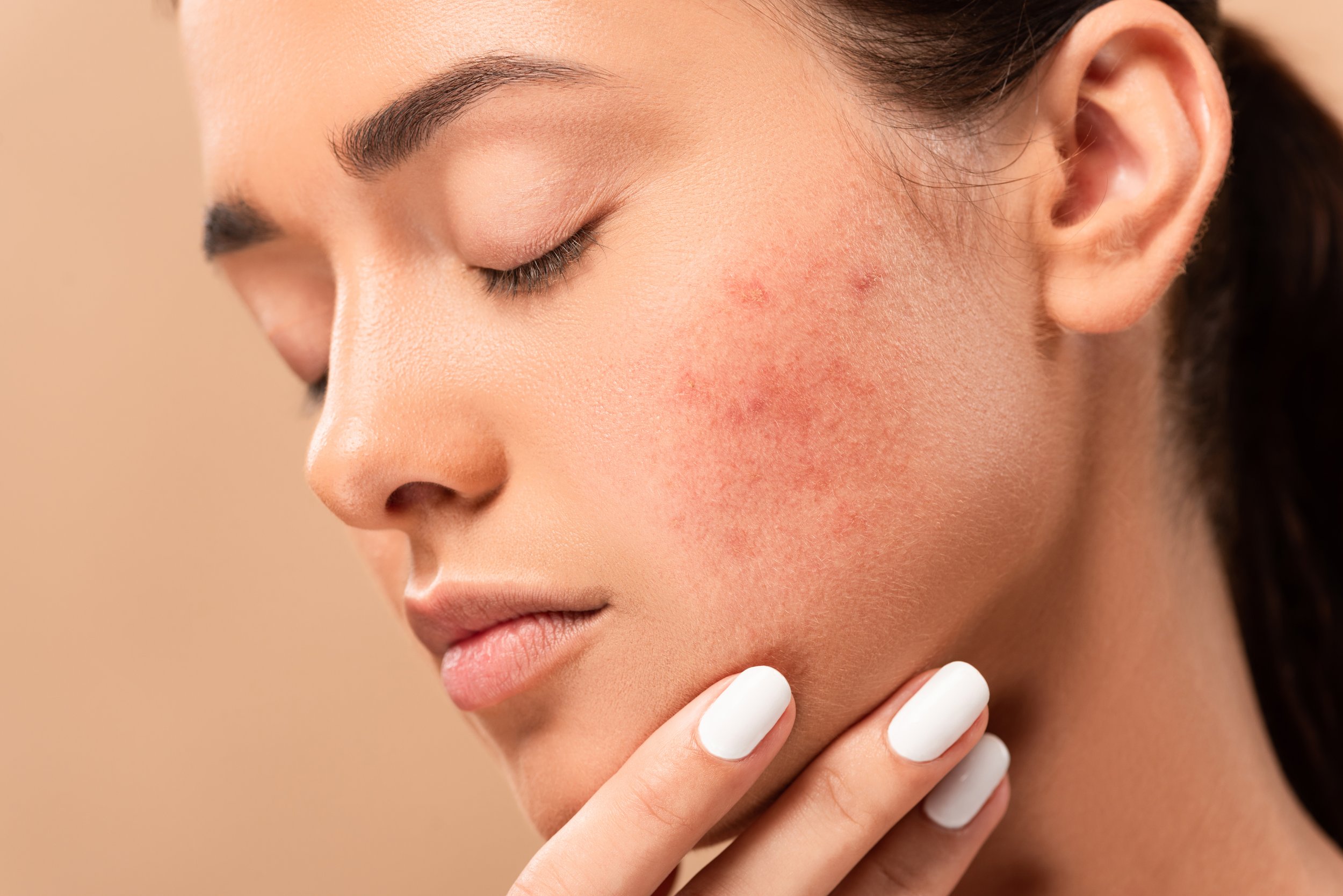
What causes acne scarring?
Acne scarring forms when inflamed breakouts damage the deeper layers of the skin. As the skin heals, it may produce too little collagen, leaving a depression, or too much, leaving a raised scar. Deeper, more inflamed acne and picking or squeezing spots increase the chance of scarring.
Not every mark left after a breakout is a scar. Flat brown or red marks are often post-inflammatory changes in colour, which are assessed and approached differently from textural scarring.
Types of acne scarring
-
Broad, shallow depressions with soft, sloping edges that give the skin an uneven, wave-like texture.
-
Round or oval depressions with sharper, defined edges, often on the cheeks and temples.
-
Narrow, deep scars that look like small punctures in the skin. These are often the hardest to change.
-
Firm, raised scars, including hypertrophic and keloid scars. These need careful assessment, and some treatments are not suitable.
-
Flat red, purple or brown marks left after breakouts. These affect colour rather than texture.
Most people have more than one type, which is why a personalised assessment matters.
Treatment options we may discuss
Your plan depends on the type and depth of your scarring, your skin type and tone, and whether you still have active acne. Options may include:
Skin needling: Often considered for textural scarring such as rolling and boxcar scars.
Chemical peels: Often considered for post-acne marks, uneven tone and surface texture.
Combined plans and home skincare: Many plans combine in-clinic treatments over time, supported by clinician-selected skincare and daily sun protection.
Some treatment options can only be discussed in person, after a full assessment. If you have active acne, this is usually addressed first, and a referral to your GP or a dermatologist may be recommended where appropriate.
Realistic expectations
Acne scarring treatment is gradual. Changes in the skin develop over weeks to months, and a course of several sessions is usually recommended. Treatments may help improve the appearance of scarring, but complete removal is not usually possible.
How much change is possible depends on the type and depth of scarring, your skin and how it heals. Individual results vary.
Every treatment carries risks. These are explained on each treatment page and discussed in full at your consultation.
ACNE SCARRING FAQs
-
Complete removal is not usually possible. Treatment may help improve the appearance of scarring over time, and how much change is achievable depends on the type and depth of your scars. Individual results vary.
-
There’s no single best treatment. Different scar types respond to different approaches, and most people have more than one type. Skin needling is often considered for textural scarring, and chemical peels for post-acne marks and tone. Your options are discussed after a skin assessment.
-
Most plans involve a course of several sessions over a number of months. For example, skin needling is generally recommended as 3 to 6 sessions, 4 to 6 weeks apart. Your plan is tailored at your consultation.
-
Active acne usually needs to be settled before scarring is treated, as some treatments aren’t suitable over active breakouts. Areti can talk you through options, and may recommend seeing your GP or a dermatologist where appropriate.
-
Acne scars change the texture of the skin, leaving depressions or raised areas. Acne marks are flat changes in colour, such as red or brown spots, left after a breakout. They’re assessed separately and may be approached differently.
-
Your consultation and treatment plan are with Areti Psihogios, Registered Nurse (Division 1), AHPRA NMW0001112403.