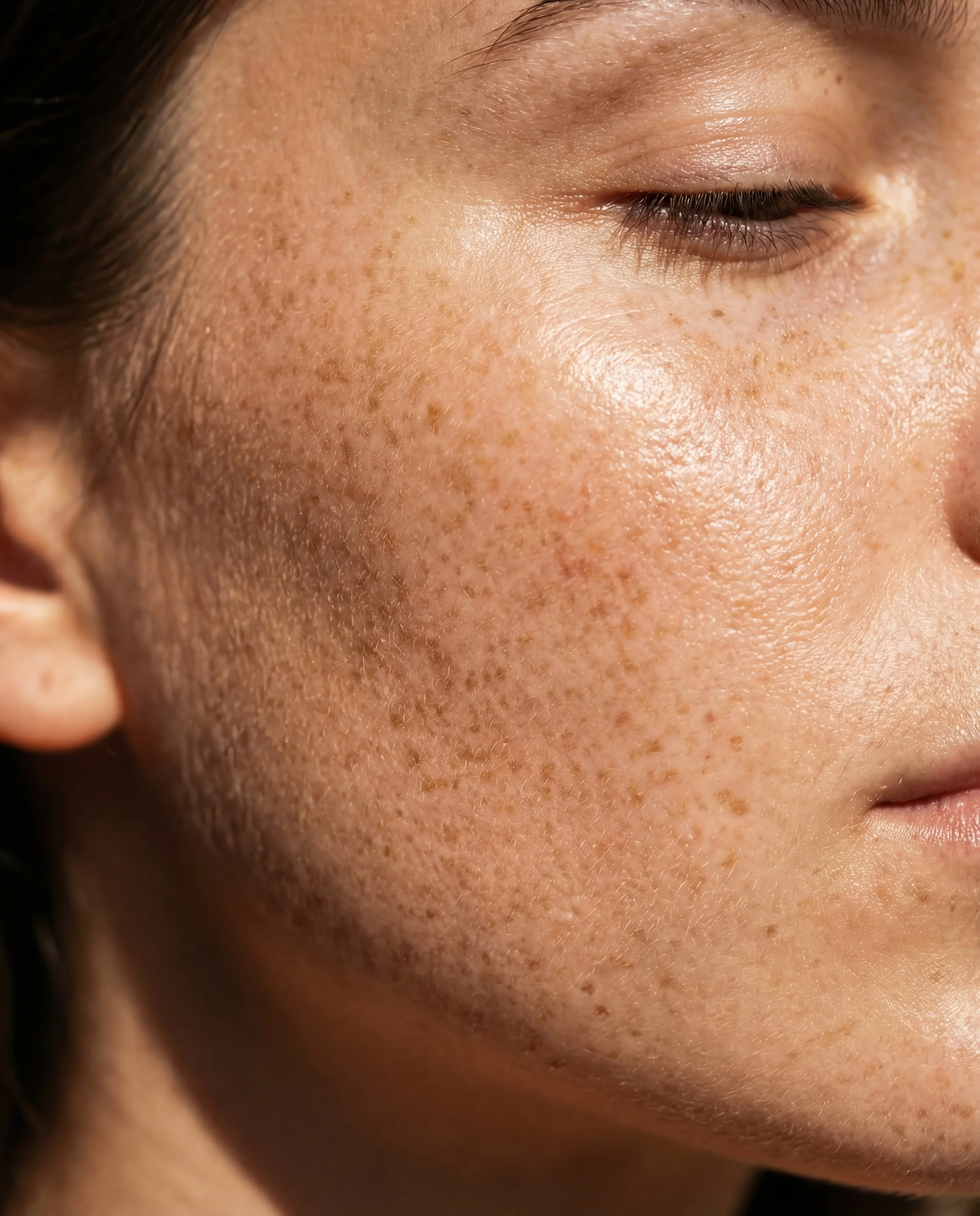
SKIN TREATMENT · PIGMENTATION
Pigmentation Treatment in Doncaster East
Pigmentation and uneven skin tone have many causes, from sun exposure to hormones to past breakouts. At Fine Skin Clinic, Registered Nurse Areti Psihogios assesses the type of pigmentation you have and talks you through a plan that may help improve its appearance over time.
- First step
- Skin assessment
- Options may include
- Chemical peels, skincare
- Ongoing care
- Daily sun protection
- Before you book
- Consultation required
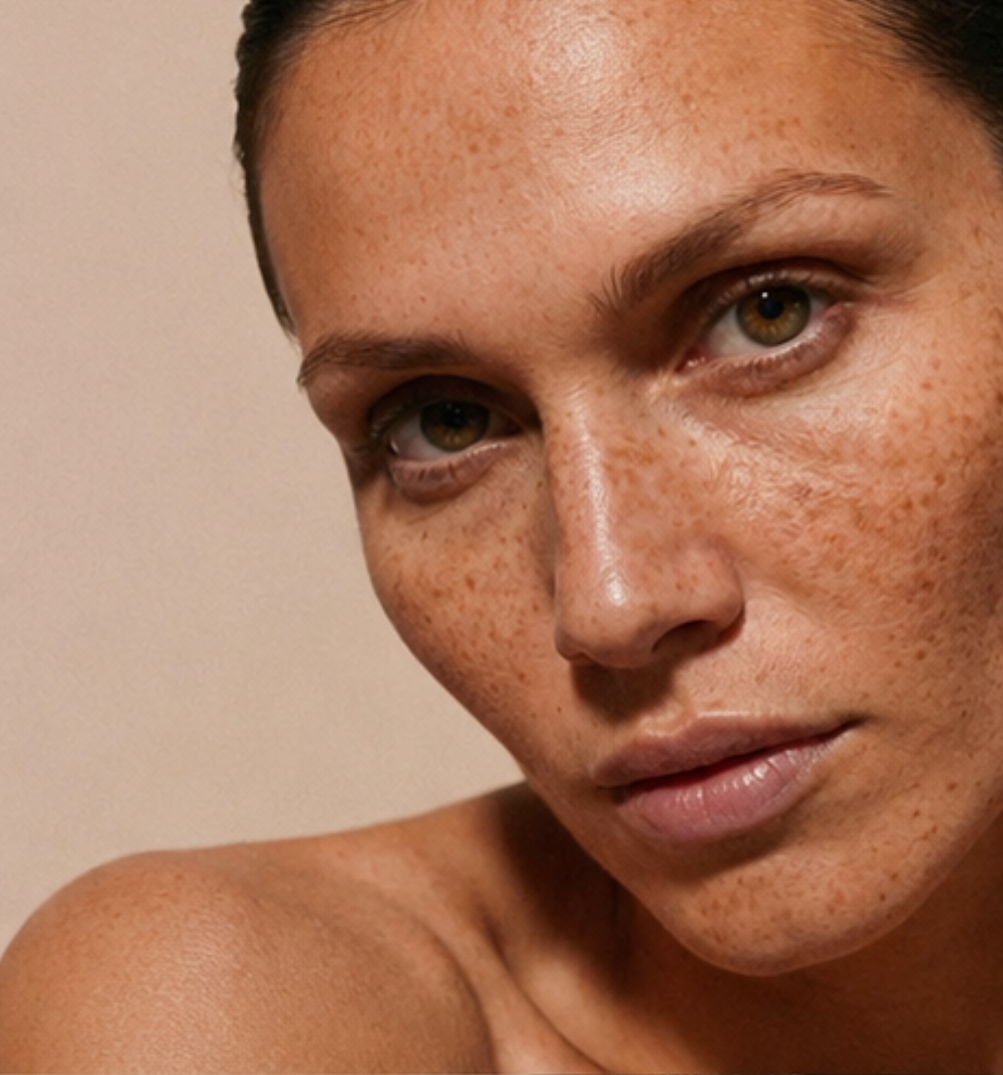
What causes pigmentation?
Pigmentation happens when the skin produces extra melanin, the pigment that gives skin its colour, in some areas. Common triggers include sun exposure, hormonal changes, inflammation from acne or skin injury, and genetics.
Because different types of pigmentation have different causes, they don’t all respond to the same approach. Some types can also be made worse by the wrong treatment, which is why an assessment always comes first.
Common types of pigmentation
-
Flat brown spots on sun-exposed areas such as the face, hands and chest, caused by cumulative UV exposure.
-
Larger patches of brown or grey-brown pigment, often on the cheeks, forehead and upper lip, linked to hormones and sun exposure.
-
Darker marks left after acne, skin injury or irritation. More common in medium to deeper skin tones.
-
Small spots that darken with sun exposure, and general unevenness or dullness across the skin.
Many people have more than one type at the same time.
Treatment options we may discuss
Your plan depends on the type and depth of your pigmentation, your skin type and tone, and your history. Options may include:
Chemical peels: Often considered for sun damage, post-inflammatory marks and uneven tone. Peel type and strength are chosen carefully for your skin.
Clinician-selected skincare: Home skincare is often a key part of a pigmentation plan, both to prepare the skin before treatment and to support it afterwards.
Daily sun protection: UV exposure is one of the main triggers for pigmentation, so daily broad-spectrum SPF is part of every plan.
Skin needling: May be considered in selected cases, usually as part of a combined plan. It isn’t suitable for every type of pigmentation.
Some treatment options can only be discussed in person, after a full assessment.
Realistic expectations
Pigmentation treatment is gradual, and changes develop over weeks to months. Most plans involve a course of treatments alongside consistent home care.
Pigmentation can return, particularly with sun exposure or hormonal changes. Melasma in particular is a long-term condition that is managed over time rather than cured. Individual results vary.
Every treatment carries risks, including the possibility of temporary or lasting changes in skin tone. These are explained on each treatment page and discussed in full at your consultation.
Pigmentation FAQs
-
Treatment may help improve the appearance of pigmentation, but it can return, especially with sun exposure or hormonal changes. Daily sun protection and ongoing home care help maintain your skin over time. Individual results vary.
-
There’s no single best treatment, because different types of pigmentation have different causes. Chemical peels are often considered for sun damage and uneven tone, usually alongside clinician-selected skincare and daily SPF. Your options are discussed after a skin assessment.
-
Melasma is a long-term condition that is managed rather than cured. A combination of gentle in-clinic treatments, home skincare and strict sun protection may help improve its appearance. Some treatments can make melasma worse, so it’s assessed carefully first.
-
Changes are gradual and usually develop over several months. For example, lighter chemical peels are typically done as a course of 4 to 6 sessions, 2 to 4 weeks apart. Your plan is tailored at your consultation.
-
Medium and deeper skin tones can be more prone to pigmentation changes after treatment, so options are chosen carefully and may be more gradual. Your skin type and tone are assessed before any treatment is recommended.
-
Your consultation and treatment plan are with Areti Psihogios, Registered Nurse (Division 1), AHPRA NMW0001112403. Any new or changing spots should be checked by your GP or a skin cancer doctor first.